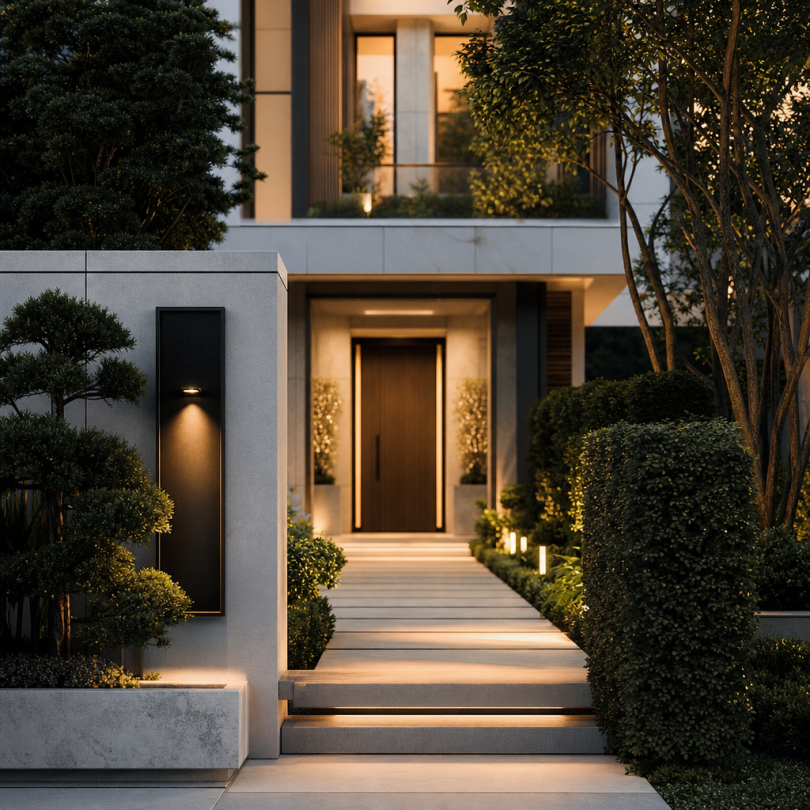

When most homeowners think about curb appeal, they picture fresh paint, manicured hedges, or a new front door. Rarely does anyone pause to consider the small cluster of digits mounted beside the entrance — the house number. Yet those numbers carry more psychological weight than most people realize. From the emotions they trigger in passersby to the subtle signals they send to potential buyers, address numbers are a surprisingly powerful element of a home’s identity. Understanding this dynamic can make a meaningful difference, both in how a property is perceived and how much it ultimately sells for.
The Hidden Language of Numbers
Numbers have carried symbolic meaning across cultures for thousands of years. In Chinese tradition, the number eight is associated with prosperity, while four is often avoided because it sounds similar to the word for death. In Western cultures, thirteen has long been considered unlucky, and seven is widely regarded as fortunate. These associations are not merely superstition — they are deeply embedded in collective psychology and can influence real-world decisions, including where people choose to live.
Research in behavioral economics has shown that numerical associations affect purchasing behavior in measurable ways. Properties with numbers perceived as lucky or auspicious tend to attract more interest and, in some markets, command higher prices. Conversely, homes bearing numbers with negative cultural connotations can sit on the market longer, even when every other feature is comparable to neighboring properties. This is not irrational — it reflects the deeply human tendency to assign meaning to symbols, and house numbers are symbols that greet every visitor before a single word is spoken.
First Impressions Begin at the Curb
The moment a visitor, delivery driver, or prospective buyer approaches a home, the address number is one of the first things they register. Legibility matters enormously here. Numbers that are too small, poorly lit, or obscured by overgrown plants create immediate friction — a subtle but real sense of disorder. On the other hand, bold, clearly mounted numbers in a style that complements the home’s architecture communicate confidence, care, and attention to detail.
Font choice, material, and finish all contribute to this impression. Sleek brushed aluminum numerals suggest modernity and precision. Ornate cast iron numbers evoke tradition and permanence. Matte black finishes read as sophisticated and contemporary. Each of these choices sends a message about the homeowner’s taste and, by extension, the quality of what lies beyond the front door. In this sense, address numbers function as a kind of visual handshake — brief, but telling.
The Role of Visibility and Placement
Beyond aesthetics, practical visibility plays a critical role in how a home is experienced. Emergency responders, real estate agents, and first-time visitors all rely on clear address numbers to locate a property quickly. A home that is difficult to find creates anxiety before anyone has even stepped inside. That anxiety, however minor, can color the entire experience of a visit — including a buyer’s walkthrough. Ensuring numbers are visible from the street, properly illuminated at night, and mounted at an appropriate height removes unnecessary friction and sets a welcoming tone from the outset.
Address Numbers and the History Behind Them
It is worth stepping back to appreciate just how relatively recent the concept of house numbering actually is. For most of human history, addresses as we know them did not exist. People navigated by landmarks, community knowledge, and oral directions. The formalization of address systems was driven by the needs of growing cities, postal services, and eventually taxation. The fascinating history of how house numbers were invented and why earlier societies had no need for them reveals just how much our relationship with place and identity has evolved over centuries. Understanding this history adds a layer of appreciation for what a simple set of digits actually represents — a home’s unique identity within the broader fabric of a community.
The Psychology Behind the Numbers on Your Door
Exploring address number psychology reveals that the impact of these small details extends well beyond aesthetics. Studies in environmental psychology suggest that the visual cues surrounding a home’s entrance — including its numbering — influence how safe, welcoming, and desirable a property feels. Numbers that are well-proportioned, clearly legible, and stylistically consistent with the home’s overall design contribute to a sense of harmony that buyers and visitors respond to positively, often without being able to articulate exactly why.
Emotional Resonance and Buyer Behavior
Buyers make decisions with both logic and emotion, and the emotional component is often underestimated. A home that feels right from the moment of arrival — where every detail, including the address numbers, appears considered and intentional — creates a positive emotional baseline that carries through the entire viewing experience. This is why small investments in curb appeal, including upgrading house numbers, can yield returns that seem disproportionate to their cost. The numbers themselves may be inexpensive, but the impression they create is priceless.
Maximizing Home Value Through Thoughtful Details
For homeowners preparing to sell, the cumulative effect of small improvements should never be underestimated. Upgrading address numbers is one of the simplest and most cost-effective enhancements available, yet it is frequently overlooked in favor of larger renovations. When combined with other strategic improvements, it contributes to an overall impression of a well-maintained, move-in-ready property. If you are exploring ways to increase your home’s value before putting it on the market, addressing curb appeal details — including your house numbers — is a logical and high-impact starting point.
Modern House Numbers: Elevating the Details That Matter
Modern House Numbers has built its reputation on the understanding that address numbers are far more than a practical necessity. The brand offers a curated range of premium house number styles crafted from high-quality materials, designed to complement a wide variety of architectural aesthetics — from minimalist contemporary homes to classic craftsman bungalows. Each product is engineered for durability and visual impact, ensuring that the first thing visitors see reflects the quality of everything inside. For homeowners who care about the details, Modern House Numbers provides an elegant solution that is both functional and expressive.
Conclusion: Small Numbers, Significant Impact
In the broader conversation about home improvement and real estate value, address numbers rarely receive the attention they deserve. Yet the psychology surrounding them is real, the historical context is rich, and the practical impact on first impressions is undeniable. Whether you are preparing to sell, looking to enhance your home’s curb appeal, or simply interested in the subtle ways design shapes human perception, your house numbers are worth a second look. Sometimes the smallest details carry the most meaning — and in real estate, meaning translates directly into value.