
Let’s be honest—selling your home is one of those things that can feel like juggling a million balls at once. There’s the emotional side of leaving a place you’ve made memories in, the practical side of cleaning, fixing, and organizing, and the pressure of getting the best price. It’s no wonder so many people feel stressed. This is exactly why home staging tips for sellers matter so much. Staging isn’t about hiding flaws or pretending your home is perfect; it’s about presenting it in the best possible light, helping buyers imagine their life there, and giving you a smoother, faster selling process. When done right, staging can make your home memorable in a sea of listings, and it can even help you get a higher offer.
Why home staging really matters
Here’s the deal: buyers make decisions emotionally. They aren’t walking around with a checklist of technical features—they’re imagining themselves living in your space. A cluttered room, an awkward layout, or a dark, uninviting space can leave buyers feeling disconnected and unexcited. Staging flips this entirely. It highlights your home’s best features, creates a sense of space, flow, and comfort, and helps buyers instantly picture their life there. This emotional connection often translates into faster offers and potentially better prices. Think of staging as storytelling—you’re setting the scene so buyers can see themselves as the main character in your home.
Start with decluttering: less is more
Clutter is the ultimate distraction. Buyers want to focus on your home’s potential, not your personal collections or messy corners. Start by clearing counters, tables, and open spaces. Pack away family photos, collectibles, and anything that might be considered “personal.” Open up closets and cabinets so everything feels spacious. Consider it like giving your home a deep breath; when a space feels clean and open, it naturally feels bigger and more inviting. Decluttering might take time, but it’s one of the simplest and most impactful ways to improve buyer perception.
Depersonalize and neutralize
Your home reflects you, but buyers need to see themselves in it. Bold paint colors, quirky decorations, or walls full of personal items can subconsciously make buyers feel like outsiders. Swap bright or unusual colors for soft, neutral tones. Remove items that are highly personalized. The goal isn’t to erase your personality completely but to provide a clean slate where buyers can imagine their own furniture, photos, and memories. This step helps buyers connect emotionally, which is key to getting strong offers.
Furniture arrangement: create flow and purpose
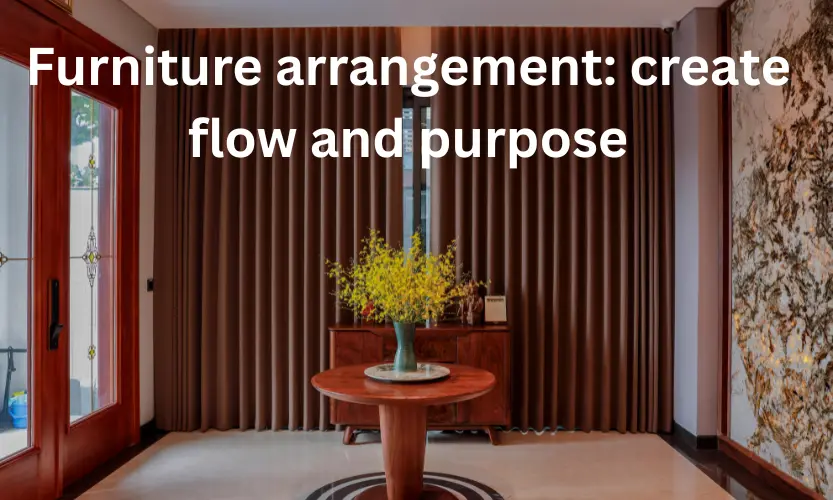
Furniture placement is more important than many people realize. Rooms should feel spacious, functional, and natural. Avoid pushing every piece to the walls or overcrowding spaces. Make sure there are clear walking paths and that each room’s purpose is obvious. In smaller rooms, consider removing a few pieces to avoid a cramped feeling. Pulling furniture slightly away from walls can make spaces feel airier, while arranging seating areas to encourage conversation helps buyers envision living there. Staging is as much about flow as it is about aesthetics.
Lighting: brighten up your space
Lighting can make or break first impressions. Open curtains, clean your windows, and let natural light flood in. For darker rooms, strategically placed lamps or soft overhead lighting can make a huge difference. Avoid harsh, fluorescent lighting that kills a cozy vibe. Warm, balanced lighting makes spaces feel inviting, safe, and energizing. Sometimes just adding a few floor lamps or table lamps can completely transform a room from dull to welcoming.
Flooring and surface fixes
Even small imperfections can stand out. Scratched hardwood, worn carpets, or stained countertops might not seem like a big deal, but buyers notice. A well-maintained floor signals a well-cared-for home. Simple fixes like deep-cleaning carpets, polishing wood floors, or adding a stylish area rug can instantly improve a space. Touch up chipped paint on walls, baseboards, or doors. These minor improvements make your home feel move-in ready without a major renovation.
Add small, inviting touches
Here’s the thing—details matter, but subtlety is key. Fresh flowers, neatly folded towels, or a clean welcome mat can create a warm, lived-in feeling that buyers respond to. A small, clean centerpiece on the dining table or a few decorative pillows can make a room feel cozy yet elegant. The trick is to make it feel natural, not staged for a magazine photo shoot. Small touches make buyers feel comfortable and help them emotionally connect with the space.
Kitchens and bathrooms: high-impact areas
Kitchens and bathrooms are often the deal-makers or deal-breakers in a sale. Buyers spend a lot of time in these spaces mentally calculating whether the home suits their lifestyle. Declutter countertops, ensure sinks and appliances are sparkling, replace outdated handles or faucets, and keep the space smelling fresh. Adding a small plant, a folded hand towel, or a modern soap dispenser can give these rooms a polished, cared-for look. Even minor upgrades here can significantly influence buyer perception and increase your home’s appeal.
Curb appeal: the first impression counts
Never underestimate the power of first impressions. The exterior is the first thing buyers see, so it sets the tone for the rest of the visit. Mow the lawn, trim hedges, power wash the driveway, and make sure the front door looks inviting. Even small touches like fresh flowers in pots or a new doormat can create a welcoming vibe. When the exterior looks cared for, buyers automatically expect the inside will be just as well-maintained.
Photography: show off your hard work
Once your home is staged, it’s time to capture it in the best light possible. Most buyers start online, so quality photos are essential. Make sure rooms are bright, decluttered, and shot from angles that emphasize space and flow. If possible, consider professional photography—it’s an investment that can make your listing stand out. Clear, high-quality photos entice buyers to schedule a viewing and can even create a sense of urgency.
DIY staging vs. professional staging
Not everyone needs a professional stager, and that’s okay. Simple DIY staging can be highly effective if you focus on decluttering, rearranging furniture, and adding small inviting touches. Professional stagers bring design expertise and may highlight features you wouldn’t think of, but for many sellers, basic staging done thoughtfully can have a huge impact. The key is attention to detail, understanding what buyers value, and creating spaces that feel clean, functional, and welcoming.
Timing: when to stage
Timing is everything. Ideally, staging should happen before you take listing photos and schedule showings. Buyers form opinions in the first few seconds of walking in. A staged home helps them imagine their life there immediately, increasing the likelihood of offers. Don’t wait until the last minute; early preparation allows your home to shine from day one.
You may also like this
Master the best rental tips for landlords for Stress-Free Property Success
Effortless Ways on How to Manage Rental Property Easily for Stress-Free Success
Tenant Rights and Rental Laws: A Friendly Guide for Stress-Free Renting
Beginner Guide for Renting Homes: A Friendly Start for First-Time Renters
Common mistakes to avoid
Even the best intentions can go awry if you overlook certain things. Overcrowding rooms with furniture or decorations, leaving personal items in sight, neglecting cleaning, or using overpowering scents are common pitfalls. Keep it simple, clean, and welcoming. Avoid trends that might date your home or distract buyers. The goal is a timeless, approachable look that allows buyers to see the potential.
Checklist for a staged home
Declutter and depersonalize your space, rearrange furniture for natural flow, maximize natural light and add lamps where needed, clean floors, surfaces, and windows, tidy kitchen and bathrooms, add subtle touches like flowers or fresh linens, enhance curb appeal, and capture professional-quality photos. Following this list ensures your home is ready to impress buyers from the moment they see it.
Final thoughts
Selling a home doesn’t have to be stressful or intimidating. With these home staging tips for sellers, you can create an environment that feels spacious, inviting, and move-in ready. Buyers are looking for a place they can picture themselves living in, and your goal is to help them see that clearly. Keep things simple, focus on essentials, and remember that small, intentional changes can have a big impact. You’re not just selling a house; you’re presenting a lifestyle, a vision, and an experience that buyers will want to invest in.
Actionable takeaway
Start decluttering and depersonalizing today. Focus on lighting, furniture flow, and small details that make your home feel inviting. Following these steps with attention and care ensures home staging tips for sellers transform your space and attract buyers faster.
FAQs
What are the most effective home staging tips for sellers?
Focus on decluttering, depersonalizing, and arranging furniture to create a spacious, welcoming vibe. Highlight natural light and add fresh accents like flowers or artwork.
How can home staging increase the selling price?
Staged homes look more appealing, helping buyers imagine living there. This emotional connection can lead to higher offers and faster sales.
Should I hire a professional or stage my home myself?
Professionals bring expertise and design flair, but simple DIY staging with clean spaces, neutral decor, and strategic furniture placement can be very effective too.
How much does home staging usually cost?
Costs vary depending on the size of your home and level of staging. Basic DIY staging is affordable, while full professional staging is an investment that often pays off in faster, better sales.
How long does home staging take before selling?
Simple staging can be done in a few days, while professional setups may take a week or more. The goal is to make your home look move-in ready quickly.