
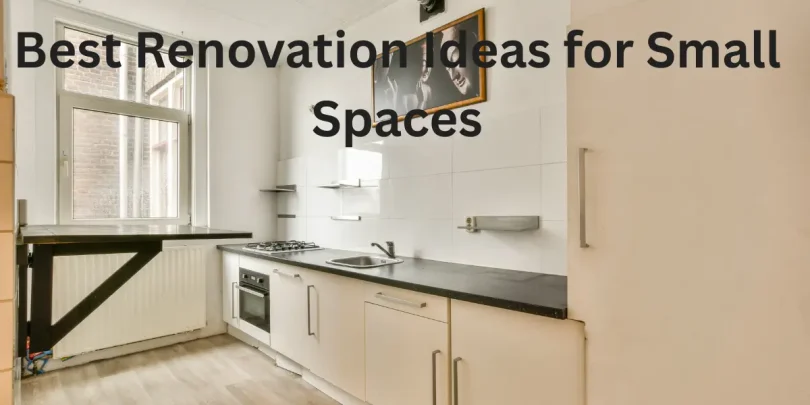

Let’s be real—living in a small space can be both cozy and frustrating at the same time. You love your home, but every corner seems to be screaming for attention, and clutter can pile up faster than you expect. That’s where the best renovation ideas for small spaces come in. The goal isn’t just to make your place look pretty—it’s about maximizing every inch, creating flow, and making your home feel bigger and more functional. Real talk: even if you’ve never picked up a paintbrush or rearranged furniture strategically, there’s hope. This guide is all about practical, stylish, and beginner-friendly tips you can actually use. Whether you’re in an apartment, studio, or small house, these ideas are designed to help you rethink your space and get creative without feeling overwhelmed.
Understanding Your Space

Why knowing your space matters
Before you start moving walls in your head or buying that cute ottoman, it’s crucial to understand the layout. Every small space is unique, and what works in one home might not work in another. Think about your daily routines, which rooms you use the most, and where things often feel cramped or cluttered. Mapping out these areas mentally or on paper helps you prioritize renovations that truly matter. Start by walking through your home as if you were a visitor, paying attention to tight corners, awkward nooks, and areas where furniture feels intrusive. Once you know your pain points, it’s much easier to plan changes that maximize usability and aesthetic appeal.
Mapping out problem areas
Notice spots where clutter gathers most—maybe it’s near the entryway, the kitchen counter, or the bedroom closet. These are the areas that need targeted solutions. Small spaces require smart thinking, so highlighting problem areas early saves frustration later. Understanding the flow of your home also helps you decide where furniture should go, which areas need better lighting, and how you can use vertical space.
Smart Furniture Choices
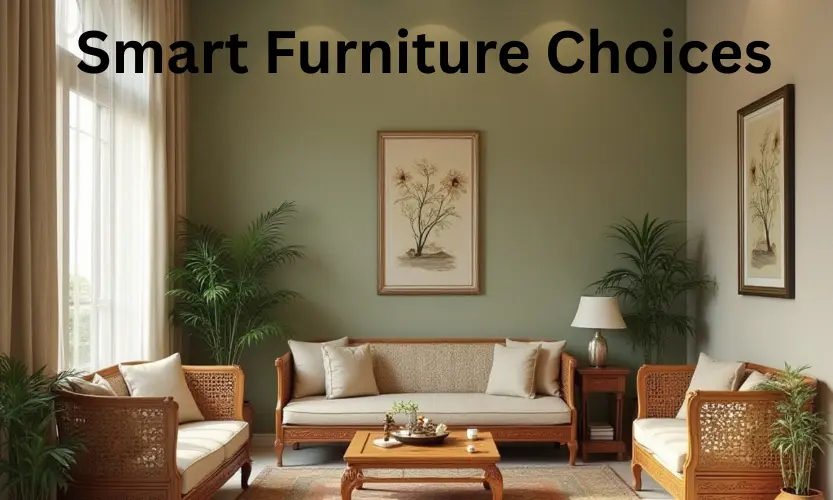
Multipurpose furniture is your best friend
Every piece of furniture in a small space should earn its keep. Multipurpose items like foldable tables, sofa beds, storage ottomans, and wall-mounted desks allow you to have style and function without stealing precious square footage. For example, a bed with storage drawers underneath can replace a separate dresser, while a foldable dining table can double as a workspace when needed. Real talk: investing in versatile furniture is a game-changer for small spaces.
Scale and proportion
Oversized furniture can make a small room feel cramped and suffocating. Opt for low-profile sofas, slim chairs, and narrow tables that fit the scale of your room. Think of it like tailoring your furniture to the room’s dimensions so everything feels balanced and open. Even simple choices, like a smaller coffee table or a floating desk, can make a noticeable difference in how spacious a room feels.
Furniture placement tricks
The way you arrange furniture can completely change how a space feels. Push larger pieces against walls to open up the center, use corners creatively with L-shaped desks or sectional sofas, and consider floating furniture in the middle to create distinct zones. Small shifts in placement can improve flow, accessibility, and even visual appeal.
Creative Storage Solutions
Vertical storage is key
When floor space is limited, look up. Vertical storage solutions such as tall shelving units, wall hooks, hanging organizers, and over-the-door racks make a big difference. You can store books, decor, or kitchen essentials without cluttering the floor, giving your room an open and airy feel.
Hidden storage options
Think under-bed drawers, storage benches, or stair compartments. These hidden storage ideas keep clutter out of sight and make your home look cleaner and more organized. Real talk: having a dedicated place for everything reduces stress and makes small spaces feel bigger than they really are.
Decluttering mindset
Even the best renovation ideas won’t help if your home is overflowing with items you don’t need. Regularly evaluate your possessions and donate or discard anything you haven’t used in months. Minimalism isn’t about having nothing; it’s about making sure everything you keep serves a purpose and brings joy.
Colour, Light, and Walls
Light colours make spaces feel bigger
Walls, ceilings, and even furniture in light shades like white, cream, pastels, or light grey can reflect light and make your space feel airy. Real talk: darker colors absorb light and can make rooms feel smaller, so if your goal is to create openness, lighter tones are your best friend.
Mirrors as a design hack
Mirrors are not just decorative—they create depth and amplify light, giving the illusion of a larger space. Large wall mirrors, mirrored furniture, or even a series of smaller mirrors arranged creatively can transform a room without structural changes.
Smart lighting choices
Good lighting enhances space instantly. Mix ceiling lights, floor lamps, and task lighting to illuminate dark corners. Natural light is ideal, so avoid heavy curtains that block sunlight. Layered lighting also allows you to adjust the mood while keeping small spaces bright and welcoming.
Flooring and Rugs
Continuous flooring for a unified look
Using the same flooring throughout your home makes it feel more cohesive and spacious. Wood, laminate, or light-toned tiles can visually open up a small area, creating a seamless flow from room to room.
Rugs to define spaces
In small homes, rugs can help define different areas without walls. A rug under the dining table, in a reading nook, or under a sofa creates visual separation while maintaining openness. Choose light or neutral tones to avoid breaking up the space visually.
Kitchen Renovation Ideas
Compact, efficient kitchen layouts
For small kitchens, the triangle layout connecting the sink, stove, and fridge is ideal. Keep countertops clear and maximize vertical storage with hanging shelves or cabinets that go up to the ceiling. This makes cooking and moving around much easier.
Open shelving vs. cabinets
Open shelves make a kitchen feel airy but require organization. Combine them with closed cabinets to hide clutter while still adding visual interest. Display the items you use frequently and store the rest out of sight.
Multifunctional surfaces
Pull-out cutting boards, foldable tables, and stackable appliances free up counter space and make cooking more enjoyable. A small kitchen can be stylish and functional with smart planning.
You may also like this
Master the best rental tips for landlords for Stress-Free Property Success
Effortless Ways on How to Manage Rental Property Easily for Stress-Free Success
Tenant Rights and Rental Laws: A Friendly Guide for Stress-Free Renting
Beginner Guide for Renting Homes: A Friendly Start for First-Time Renters
Bathroom Renovation Tips
Small bathrooms, big impact
Floating vanities, wall-mounted toilets, and corner sinks save space and make bathrooms feel open. Glass shower doors, instead of curtains, add a modern touch and allow light to flow freely.
Clever storage in tight spaces
Vertical cabinets, towel racks, and shelves above toilets keep essentials organized without crowding the floor. Maintaining a clean countertop instantly makes the bathroom feel larger.
Bright and reflective finishes
Light tiles, glass accents, and mirrors amplify both natural and artificial light, creating a sense of openness. Even small tweaks like changing cabinet finishes or hardware can refresh the space dramatically.
Bedroom Renovation Ideas
Bed choices that save space
Loft beds, storage beds, or beds with drawers underneath are ideal for small bedrooms. They reduce the need for additional furniture and keep your room organized.
Minimalist approach
Less furniture, simple decor, and functional accessories create a relaxing and airy bedroom environment. Clutter-free surfaces and intentional decor make even small rooms feel spacious.
Creative use of walls
Floating nightstands, wall-mounted lamps, and shelves free up floor space while adding personality. Vertical storage and decor draw the eye upward, enhancing the sense of height in the room.
Living Room and Lounge Areas
Open layouts for flow
If possible, remove unnecessary partitions or bulky furniture. Open layouts allow easier movement and make rooms feel larger and more welcoming.
Multipurpose seating
Ottomans, benches, and modular sofas double as seating and storage. These versatile pieces are perfect for small living areas where maximizing space is essential.
Display smartly
Keep decor minimal but intentional. Wall-mounted shelves, photo grids, or vertical art draw attention upward, creating a sense of height and keeping surfaces uncluttered.
Outdoor or Balcony Spaces
Extend living space outdoors
Even a tiny balcony can feel like an additional room. Use foldable chairs, small tables, and vertical plant arrangements to make outdoor areas functional and cozy.
Compact gardening
Hanging planters, railing planters, and stackable pots allow you to enjoy greenery without sacrificing floor space. This creates a refreshing extension of your home.
Outdoor lighting
String lights, small lanterns, or solar fixtures make outdoor spaces usable in the evening, adding warmth and charm without taking up room.
Budget-Friendly Renovation Tips
Start small, think big
You don’t need a huge budget to make an impact. Painting walls, replacing handles, adding shelves, or rearranging furniture can dramatically improve a space.
DIY projects for beginners
Simple DIY projects like hanging shelves, installing hooks, or swapping light fixtures save money and give you a sense of accomplishment. Even beginners can make noticeable changes without professional help.
Prioritize impact over cost
Focus on renovations that improve functionality and aesthetics simultaneously. Small adjustments like moving furniture, adding mirrors, or reorganizing storage can create a big visual impact without expensive remodeling.
Conclusion
Small spaces come with unique challenges, but with the right mindset and strategies, they can feel open, stylish, and highly functional. The key is intentionality in every choice, from furniture and color to lighting and storage. Remember, even small tweaks can make a huge difference. Start with easy wins, experiment with ideas, and enjoy the process. Here’s a simple checklist to get started: evaluate your space and identify problem areas, choose multifunctional furniture, maximize vertical and hidden storage, use light colors and mirrors to open up the space, and declutter before buying anything new. With a little creativity and effort, you can transform your home using best renovation ideas for small spaces and finally make every corner count.
FAQs
What are some quick ways to renovate a small space?
Using multifunctional furniture, bright paint colors, and clever storage solutions can quickly refresh a small space without major construction.
How can I make a small room feel larger?
Mirrors, light colors, and minimal furniture help create the illusion of space while keeping the room airy and open.
Are DIY renovations suitable for small spaces?
Absolutely! Small spaces are perfect for DIY projects like shelving, painting, or rearranging furniture to maximize efficiency.
What’s the best furniture choice for small areas?
Choose multifunctional, foldable, or compact furniture that saves space and serves more than one purpose.
How can lighting improve a small space renovation?
Natural light and layered lighting make small spaces feel brighter, more open, and inviting.


