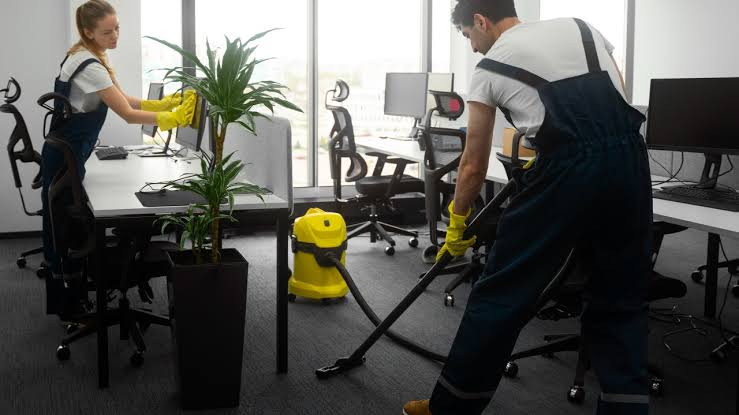

A clean commercial building does more than create a positive first impression. It supports employee wellbeing, protects valuable interiors, and helps businesses maintain a professional environment for clients and visitors. From busy offices and retail spaces to shared corridors and reception areas, every part of a workplace contributes to how people experience a business.
However, maintaining consistent cleanliness can be challenging. High foot traffic, changing work schedules, shared facilities, and limited in-house resources often make it difficult for businesses to manage cleaning effectively. Occasional tidying may improve appearances temporarily, but long-term results require a structured approach.
Professional cleaning services help organisations maintain reliable standards without distracting employees from their primary responsibilities. By establishing clear routines, selecting suitable cleaning methods, and monitoring performance, businesses can create healthier, more welcoming environments that remain functional throughout the working week.
Creating a Healthier Workplace
Workplaces bring together employees, visitors, contractors, and customers every day. Frequently touched surfaces, shared kitchens, washrooms, and meeting rooms can accumulate dirt and require regular attention. Without consistent cleaning, these areas may become unhygienic and unpleasant to use.
A structured cleaning programme helps address these concerns through routine surface cleaning, waste removal, washroom maintenance, and attention to high-contact areas. The appropriate frequency depends on occupancy, building use, and the nature of daily activities.
Businesses should recognise that cleaning is not simply about appearance. A well-maintained environment can improve comfort and demonstrate that management takes workplace conditions seriously. Clear responsibilities and appropriate cleaning products help maintain standards while reducing unnecessary disruption.
Maintaining a Professional Business Image
First impressions influence how clients and visitors perceive an organisation. Dusty reception desks, marked floors, overflowing bins, and untidy meeting rooms can undermine an otherwise professional environment. Conversely, clean windows, organised communal areas, and well-maintained interiors communicate attention to detail.
Consistency is particularly important for businesses welcoming visitors throughout the day. Cleaning schedules should reflect actual usage rather than relying on occasional deep cleans to resolve accumulated problems.
For organisations seeking dependable support, commercial premises cleaning in London can be an important consideration when developing a professional property maintenance strategy. A suitable cleaning arrangement should account for the property’s layout, operating hours, occupancy levels, and specific maintenance priorities.
A tailored approach ensures that visible areas receive appropriate attention without overlooking less obvious spaces that also affect the overall condition of the premises.
Developing an Effective Cleaning Schedule
Every commercial property has different requirements. A small professional office may need regular desk-area cleaning and washroom maintenance, while a busy retail location may require more frequent floor care and attention to customer-facing spaces.
An effective schedule begins with an assessment of the building. Managers should identify high-traffic zones, frequently used facilities, specialist flooring, and areas that require additional care. Cleaning tasks can then be assigned daily, weekly, or periodically according to their importance.
Timing matters as well. Evening cleaning may suit workplaces that need quiet during business hours, while daytime housekeeping can help larger buildings remain presentable throughout the day.
Regular reviews allow managers to adjust the schedule when occupancy changes or new requirements emerge. This flexibility prevents resources from being wasted on unnecessary tasks while ensuring essential areas receive consistent attention.
Measuring Quality and Accountability
A cleaning contract is only valuable when the agreed standards are delivered consistently. Businesses should establish clear expectations before work begins, including task lists, service frequency, access arrangements, and procedures for reporting concerns.
Supervisory checks and documented inspections can help identify recurring problems before they affect the wider workplace. Communication between property managers and cleaning teams is equally important because requirements may change over time.
Performance reviews should consider more than whether a building looks clean during a single visit. Managers can examine whether scheduled tasks were completed, complaints were addressed promptly, and cleaning standards remained consistent across different areas.
Defined responsibilities also make it easier to resolve issues without confusion. When staff understand their duties and managers have a clear process for monitoring performance, the relationship becomes more productive and dependable.
Balancing Cost, Sustainability, and Long-Term Value
Choosing a cleaning provider solely on price can overlook important differences in service quality, staffing arrangements, and management oversight. A more useful assessment considers the overall value delivered throughout the contract.
Reliable cleaning can help preserve flooring, furnishings, and other interior finishes by preventing dirt from accumulating and ensuring appropriate maintenance methods are used. Businesses should also consider the cost of inconsistent service, including management time spent resolving complaints and arranging replacement cover.
Sustainability is another practical consideration. Where suitable, businesses can prioritise responsible product selection, efficient equipment, sensible water use, and waste reduction. Cleaning products must still be appropriate for the surfaces and hygiene requirements involved.
When evaluating potential providers, organisations can review the services offered by Think FM alongside their own operational requirements. Comparing service flexibility, communication, and quality-control procedures can help decision-makers identify an arrangement that offers lasting value.
Conclusion
Professional commercial cleaning is an important part of maintaining an effective workplace. It supports hygiene, protects the condition of business premises, and helps create an environment where employees and visitors feel comfortable. Achieving these benefits requires more than occasional attention; it depends on consistent routines, suitable cleaning methods, and clear accountability.
Businesses should begin by identifying their property’s specific needs and establishing realistic service expectations. They can then assess providers according to reliability, communication, flexibility, and the ability to maintain agreed standards over time.
As workplaces evolve, cleaning arrangements should evolve with them. Changes in occupancy, building use, and sustainability priorities may all influence the most suitable approach. Organisations that treat cleaning as an ongoing operational responsibility are better positioned to maintain professional premises, protect their facilities, and support the people who use them every day.