

Selling a home can feel like juggling a million things at once, from handling buyer calls to thinking about pricing, repairs, and marketing, all while wondering if your property will even sell quickly. Real talk, it can get overwhelming fast. That’s why today we’re chatting about best real estate selling strategies in a way that feels like a friend giving you practical advice, no fluff. Whether you’re selling your first property or trying to make the process smoother, these tips will help you feel confident and prepared.
Understand Your Market

Knowing your market is the foundation of a successful sale. Without understanding local trends and buyer behavior, even a well-prepared property can sit unsold for months. Researching similar homes, attending open houses, and talking to local agents will give you a realistic idea of pricing and demand. Understanding your buyer is equally important; families often look for schools, parks, and safe neighborhoods, while young professionals prioritize commuting times and amenities. Timing also plays a key role in your strategy, as certain seasons attract more buyers, and listing during peak times can speed up the sale.
Research Local Trends
Check online listings to see what comparable properties are selling for, and pay attention to how long homes stay on the market. Visiting open houses and talking with agents can provide insider insights that numbers alone can’t give.
Know Your Buyer
Tailoring your approach to the likely buyer makes your marketing more effective. Highlight family-friendly spaces if targeting families or showcase modern amenities if aiming at professionals. Understanding what matters most to your audience can guide your staging and messaging.
Timing Matters
Market activity varies throughout the year. Spring and early summer often see more buyers, while winter may be slower. Planning your sale during high-demand periods can increase offers and reduce time on the market.
Price Your Property Strategically
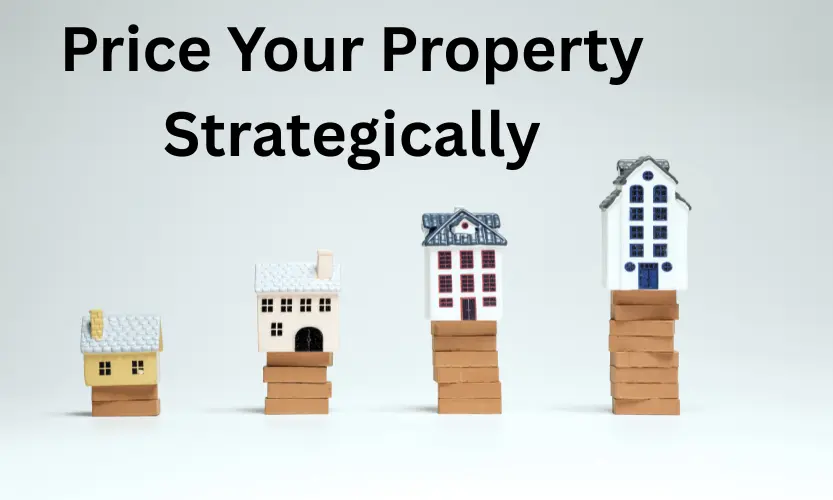
Pricing is not just about covering costs; it’s a psychological tool that can attract buyers or turn them away. Overpricing can lead to your home sitting unsold, creating the need for later price reductions, which may reduce interest. Competitive pricing creates urgency and attracts serious offers. Consider getting a professional appraisal if you’re unsure of your home’s value, as it provides an objective benchmark. Flexibility is important too—listen to feedback from showings and be ready to adjust your price if necessary to stay competitive.
Avoid Overpricing
Even if you feel your property is worth more, setting a realistic price ensures it attracts attention. Buyers often ignore overpriced listings, so competitive pricing can generate multiple offers and even bidding situations.
Consider Professional Appraisal
Appraisers provide a neutral assessment of your property’s worth. This can prevent mistakes and give buyers confidence, making them more likely to submit serious offers.
Be Flexible
The market can surprise you, and being willing to adjust your pricing strategy based on buyer feedback can make a big difference in how quickly your property sells.
Make a Strong First Impression
First impressions matter more than most sellers realize. Buyers often decide within seconds whether they like a property before stepping inside, so both curb appeal and interior presentation are critical. Small improvements like cleaning the yard, painting the front door, and maintaining a welcoming entryway go a long way. Inside, decluttering, arranging furniture strategically, and adding subtle touches like fresh flowers or lighting can help buyers envision themselves living there. Minor repairs such as fixing leaks, replacing broken tiles, or repainting walls signal that the property is well-maintained.
Curb Appeal
The exterior is the first thing buyers see, so invest time in creating a welcoming and clean entryway. Trim landscaping, power wash surfaces, and add small decorative touches to make a lasting impression.
Stage Your Home
You don’t need to hire a professional, but strategic furniture placement, decluttering, and creating inviting spaces help buyers imagine living in the home. Staging can also make rooms appear larger and more functional.
Repairs and Upgrades
Even minor issues can turn buyers away. Fix leaks, squeaky doors, or chipped paint. Small updates, like modern fixtures or fresh hardware, can elevate your home without breaking the bank.
Effective Marketing Strategies
Marketing is more than posting a listing online; it’s about creating desire and making it easy for buyers to say yes. High-quality photos are crucial, as most buyers scroll quickly through listings and poor images can lead to being overlooked. Virtual tours or video walkthroughs allow buyers to explore the home from afar and can increase engagement. Sharing your listing on multiple online portals and social media ensures maximum reach. Highlight any unique features, like a spacious backyard, renovated kitchen, or panoramic views, to make your property stand out.
Professional Photography
Invest in professional photos to showcase your home in the best light. Good lighting, angles, and clarity can dramatically increase interest in your property.
Virtual Tours and Videos
Walkthrough videos or 3D tours give buyers a realistic feel for the home, helping them connect with the space even before visiting in person.
Online Presence
Listing your property on multiple platforms and leveraging social media expands your audience. Email campaigns and targeted online ads can reach motivated buyers quickly.
Highlight Unique Features
Identify what makes your home special and emphasize it in marketing materials. Whether it’s a sunlit living room, custom kitchen, or proximity to amenities, make sure it stands out.
You may also like this
Master the best rental tips for landlords for Stress-Free Property Success
Effortless Ways on How to Manage Rental Property Easily for Stress-Free Success
Tenant Rights and Rental Laws: A Friendly Guide for Stress-Free Renting
Beginner Guide for Renting Homes: A Friendly Start for First-Time Renters
Leverage Real Estate Professionals
Even if you’re hands-on, experts can simplify the process. Real estate agents provide negotiation skills, broader networks, and market knowledge. Inspectors and appraisers can identify potential issues before listing, building buyer confidence. Legal and financial advisors ensure contracts and disclosures are handled correctly, preventing mistakes that could cost you time or money.
Real Estate Agents
Agents help you price, market, and negotiate effectively, often saving time and stress. They also have access to networks that reach more buyers.
Inspectors and Appraisers
Pre-sale inspections and appraisals give buyers peace of mind and can prevent last-minute surprises that derail deals.
Legal and Financial Advisors
Contracts, disclosures, and closing paperwork can be complex. Professional guidance ensures everything is accurate and legally sound.
Negotiation Tactics
Negotiation can feel intimidating, but preparation makes it manageable. Know your priorities, bottom line, and non-negotiable points before discussions. Respond promptly to offers, remain calm, and focus on facts rather than emotions. Courteous, confident communication can create smoother negotiations and better outcomes.
Set Your Priorities
Decide what you’re willing to compromise on and what’s essential, whether it’s the price, closing timeline, or contingencies.
Respond Promptly
Quick communication shows buyers you’re serious and prevents frustration or lost offers.
Stay Calm and Professional
Even if offers or feedback are surprising, staying objective and professional helps maintain credibility and control over the process.
Closing the Sale
The final steps require careful attention. Review offers carefully, prepare for inspections and appraisals, and fully understand contracts before signing. Being thorough ensures a smooth transaction and prevents costly mistakes.
Review the Offer Carefully
Check that all terms match what was discussed and clarify any unclear points before accepting an offer.
Prepare for Inspections and Appraisals
Ensure the home is ready and accessible to avoid delays or negative reports.
Understand Paperwork
Take your time with contracts and disclosures. Ask questions if anything is unclear to protect yourself legally and financially.
Common Mistakes to Avoid
Even with a solid plan, mistakes can slow your sale. Ignoring curb appeal, becoming overly emotionally attached, under-marketing, or poor communication are common pitfalls. Staying objective, proactive, and professional helps prevent these errors.
Conclusion
Selling a home doesn’t have to be stressful or confusing. By understanding your market, pricing strategically, enhancing curb appeal, staging effectively, marketing smartly, working with professionals, and preparing for negotiations and closing, you can make the process smoother and more profitable. Take a deep breath, trust the steps, and approach each part methodically. Here’s a small actionable checklist: research local trends and set competitive pricing, enhance curb appeal and stage your home, use professional photos and strong marketing, work with trusted professionals, and prepare for negotiations and paperwork. Selling your property using best real estate selling strategies can be a rewarding journey if you stay proactive and patient throughout.
FAQs
What are the most effective ways to sell a property quickly?
The most effective methods focus on pricing your property competitively, staging it attractively, using professional photography, and leveraging online listings and social media to reach more buyers.
How can I make my property more appealing to buyers?
Enhance curb appeal, declutter and depersonalize interiors, fix minor repairs, and create a welcoming environment that helps buyers envision living there.
Is it better to sell a property with or without a real estate agent?
Using an agent can save time, provide expert negotiation, and give access to a wider audience, but selling independently may save on commission if you’re confident in marketing your property.
How important is pricing in selling real estate?
Pricing is critical. Setting the right price attracts serious buyers quickly and increases the chance of competitive offers, while overpricing can slow the sale.
What marketing strategies work best for real estate sales?
Professional photos, virtual tours, social media campaigns, email marketing, and listing on multiple property portals are highly effective in reaching the right buyers.

