
Singapore’s Evolving Residential Landscape
Singapore has long been recognized as one of the world’s most well-planned urban environments. Despite its limited land area, the city-state has consistently demonstrated how thoughtful urban planning, efficient infrastructure, and forward-thinking policies can create a high quality of life for residents. Over the years, Singapore’s residential landscape has evolved from traditional housing estates into sophisticated communities designed around sustainability, connectivity, and modern lifestyles.
Today, residential developments are no longer just about providing living space. Instead, they are designed to create integrated communities where people can live, work, relax, and interact. With increasing attention on environmental sustainability and smart urban planning, developers are focusing on projects that combine green spaces, innovative architecture, and advanced facilities to support modern living.
These evolving trends are shaping the future of housing in Singapore, transforming how residents experience city life while maintaining the nation’s commitment to sustainability and livability.
The Importance of Sustainable and Modern Housing
Sustainability has become one of the most significant factors influencing residential development worldwide, and Singapore is at the forefront of this movement. As urban populations grow and environmental concerns increase, housing solutions must address both lifestyle needs and ecological responsibilities.
Modern residential developments in Singapore emphasize energy-efficient buildings, eco-friendly construction materials, and designs that maximize natural ventilation and daylight. These features help reduce energy consumption while enhancing residents’ comfort and well-being.
Additionally, developers are integrating green features such as rooftop gardens, landscaped courtyards, rainwater harvesting systems, and energy-efficient lighting. Such elements contribute to creating healthier living environments while aligning with Singapore’s broader sustainability goals.
Beyond environmental considerations, modern housing also focuses on creating communities where residents can enjoy a balanced lifestyle. Access to parks, recreational facilities, retail spaces, and transportation networks ensures that residents can meet their daily needs conveniently within their neighborhoods.
Integrating Green Spaces into Urban Communities
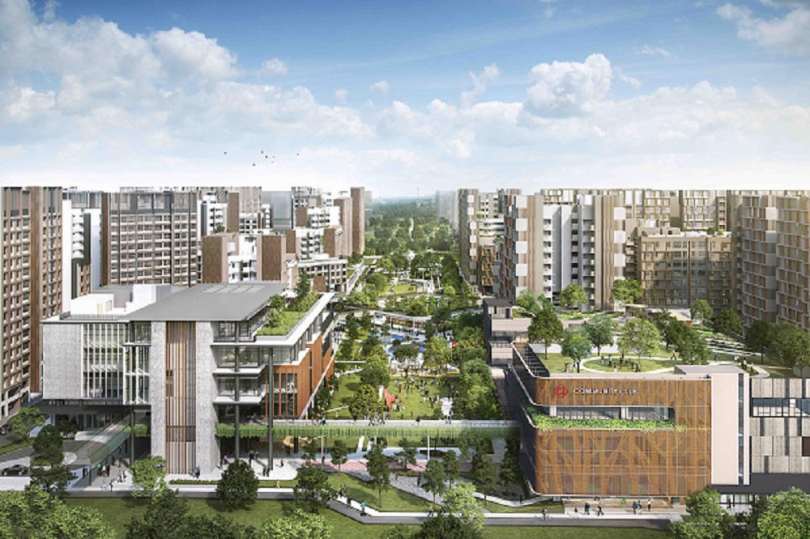
One of the defining characteristics of Singapore’s residential planning is the integration of nature into urban living. The city’s vision of becoming a “City in Nature” has encouraged developers to incorporate greenery into residential developments, ensuring that even high-density housing can maintain a strong connection to nature.
Green corridors, community gardens, and landscaped walking paths are now common features in many new projects. These elements not only enhance visual appeal but also promote healthier lifestyles by encouraging outdoor activities such as walking, jogging, and cycling.
Access to nature has also been linked to improved mental well-being and reduced stress levels. By blending urban development with natural surroundings, residential projects in Singapore create environments that foster relaxation and social interaction among residents.
Developments that prioritize green integration often become attractive choices for individuals and families seeking a balance between city convenience and a tranquil living environment.
Smart Design and Modern Living Spaces
In addition to sustainability, modern residential developments are increasingly focusing on intelligent design and flexible living spaces. With changing lifestyles and the rise of remote work, homes are now expected to accommodate multiple functions beyond traditional residential use.
Developers are responding to these changes by designing layouts that maximize space efficiency and adaptability. Open-plan living areas, multi-functional rooms, and smart home technologies are becoming standard features in many new developments.
Smart home systems allow residents to control lighting, security, and climate settings through mobile devices, improving both convenience and energy efficiency. Meanwhile, shared facilities such as co-working spaces, fitness centers, and communal lounges provide additional areas for productivity and social interaction.
For prospective homeowners and property observers interested in understanding how these modern concepts are implemented in practice, visiting developments such as the Lentor Gardens Residences Showflat offers valuable insights into how contemporary residential design balances functionality, comfort, and sustainability.
Planned Communities and Integrated Infrastructure
Another significant trend shaping Singapore’s residential sector is the development of carefully planned communities. Rather than focusing solely on individual buildings, modern projects consider the broader neighborhood ecosystem.
Integrated developments often include a combination of residential units, commercial areas, recreational spaces, and transportation access. This approach ensures that residents can enjoy a self-sufficient environment where essential services and amenities are easily accessible.
Connectivity plays a crucial role in these communities. Proximity to MRT stations, bus networks, and major roadways helps residents commute efficiently while reducing reliance on private vehicles. In addition, pedestrian-friendly pathways and cycling infrastructure promote environmentally friendly mobility options.
Community-oriented planning also encourages social interaction among residents. Shared facilities such as playgrounds, barbecue areas, swimming pools, and clubhouses create opportunities for neighbors to connect and build a sense of belonging within the community.
These thoughtfully designed neighborhoods contribute to Singapore’s reputation for creating livable and highly functional urban spaces.
The Rise of Emerging Residential Districts
As Singapore continues to expand and redevelop certain areas, new residential districts are emerging across the island. These districts are designed with modern urban planning principles that prioritize sustainability, accessibility, and lifestyle convenience.
One notable example is the development of new residential areas that emphasize green living, smart infrastructure, and community-focused design. These areas are part of broader government initiatives aimed at shaping future towns that support both environmental sustainability and economic growth.
For individuals interested in exploring how such modern residential communities are being designed, developments like the Tengah Garden Residences Showflat provide a closer look at how planners and developers are implementing these concepts in real-world projects.
By showcasing integrated facilities, green surroundings, and contemporary architecture, such developments highlight how Singapore’s housing landscape continues to evolve to meet the needs of modern residents.
Community Living and Lifestyle Benefits
Modern residential developments are not only about architecture and infrastructure; they also aim to enhance the overall lifestyle of residents. Many projects now include a wide range of facilities designed to support health, leisure, and community engagement.
Swimming pools, fitness centers, yoga decks, landscaped gardens, and entertainment lounges are becoming common features in residential developments. These amenities allow residents to enjoy recreational activities without leaving their communities.
Family-friendly facilities such as playgrounds, childcare centers, and educational institutions nearby also make these developments attractive for households with children. Meanwhile, the presence of retail outlets and dining options within or near residential areas adds convenience for daily living.
By creating environments where residents can access workspaces, recreational activities, and essential services within a short distance, developers are supporting a more balanced and convenient urban lifestyle.
The Future of Singapore’s Urban Housing
Singapore’s residential sector will likely continue evolving as new technologies, sustainability goals, and lifestyle trends shape urban development. Innovations such as smart city infrastructure, green building certifications, and energy-efficient design will play increasingly important roles in future projects.
Urban planners are also expected to focus more on mixed-use developments that integrate residential, commercial, and recreational spaces into cohesive communities. This approach helps optimize land use while improving the overall quality of urban life.
As these developments continue to redefine how people live in cities, Singapore remains an example of how thoughtful planning and modern design can transform limited land resources into thriving and sustainable communities.
Conclusion
Modern residential projects in Singapore are redefining urban living by combining sustainability, innovative design, and community-focused planning. From integrating green spaces and smart home technologies to creating self-sufficient neighborhoods, these developments reflect the city’s commitment to building a future-ready housing landscape.
As new projects continue to emerge, they demonstrate how urban environments can evolve to meet changing lifestyle needs while maintaining environmental responsibility and high living standards. Through careful planning and forward-thinking development strategies, Singapore continues to set a benchmark for modern urban living in the years ahead.